How to Lower Your Heating Bill This Winter with Simple Upgrades
When temperatures drop across Western New York, your heating system works harder to keep your home comfortable. Drafty windows, gaps around doors, exposed pipes, and outdated thermostats can all contribute to higher energy use.
The good news is that improving your home’s energy efficiency does not always require a major renovation. Simple upgrades, such as replacing worn weather stripping, adding pipe insulation, or installing a smart thermostat, may help your home retain heat and reduce unnecessary energy use.
Larger improvements, including energy-efficient windows and insulated doors, can also improve comfort and help reduce drafts over time.
Why Energy Efficiency Matters in Winter
A home loses heat through several areas, including:
- Gaps around windows and exterior doors
- Poorly sealed or outdated windows
- Uninsulated areas around pipes and plumbing
- Inadequate airflow through the heating system
- Thermostat settings that heat an empty home
Before investing in a major upgrade, look for the areas where your home feels cold or drafty. A simple hand check around window frames, door edges, baseboards, and plumbing openings can help identify potential air leaks.
Start With Simple Weatherization Improvements
Weather stripping helps seal the movable parts of windows and doors, while caulk is generally used around stationary cracks and joints. Replacing cracked, flattened, or missing weather stripping may help prevent cold air from entering around the edges of your windows and doors. The U.S. Department of Energy recommends weather stripping as part of a home air-sealing strategy.
Other small upgrades may include:
- Applying window film to older windows
- Adding a door sweep to reduce drafts underneath an exterior door
- Sealing gaps around stationary window and door frames
- Replacing damaged caulk around trim and exterior openings
- Adding insulation around exposed hot-water pipes
Window film can provide a temporary, affordable layer of insulation for some older windows. It should be installed according to the manufacturer’s instructions and should not be viewed as a replacement for a damaged window, failed seal, or major structural issue.
Consider Pipe Insulation
Pipe insulation does not directly make your furnace or boiler more efficient, but it can reduce heat loss from hot-water pipes. This may be especially useful for pipes running through basements, crawl spaces, garages, or other unheated areas.
The U.S. Department of Energy recommends insulating accessible hot-water pipes while keeping insulation away from flues, draft diverters, and other components that require clearance. Review the manufacturer’s instructions and DOE guidance before installation.
Upgrade to Energy-Efficient Windows and Doors
If your windows are drafty, difficult to open, showing condensation between panes, or causing certain rooms to feel colder, replacement windows may offer a longer-term improvement.
New windows can help:
- Reduce drafts and cold spots
- Improve indoor comfort near windows
- Reduce outside noise
- Limit heat loss through older glass
- Improve the appearance of your home
When comparing products, do not focus only on the number of panes. The frame material, glass package, low-emissivity coatings, installation quality, and overall product ratings also matter.
Look for the National Fenestration Rating Council, or NFRC, label and compare the window’s U-factor. A lower U-factor generally indicates better insulating performance. Homeowners can also look for products certified for their climate zone through ENERGY STAR. ENERGY STAR provides guidance for comparing residential windows, doors, and skylights.
Benefits of Double- and Triple-Pane Glass
Double-pane windows have two panes of glass separated by an insulating space. Triple-pane windows add another pane and insulating space, which may provide additional protection against cold temperatures.
Potential benefits include:
- Warmer interior glass surfaces
- Fewer cold drafts near windows
- Improved comfort in bedrooms and living areas
- Better sound reduction in some applications
- Reduced heat transfer compared with older single-pane windows
Triple-pane windows may be a good choice for homeowners who want greater insulation, but they are not automatically the right solution for every home. The best option depends on the existing window openings, frame condition, budget, installation requirements, and overall goals for the project.
A knowledgeable supplier or installer can help compare the available glass packages and explain which features are most relevant for your home.
Choosing Insulated Entry and Storm Doors
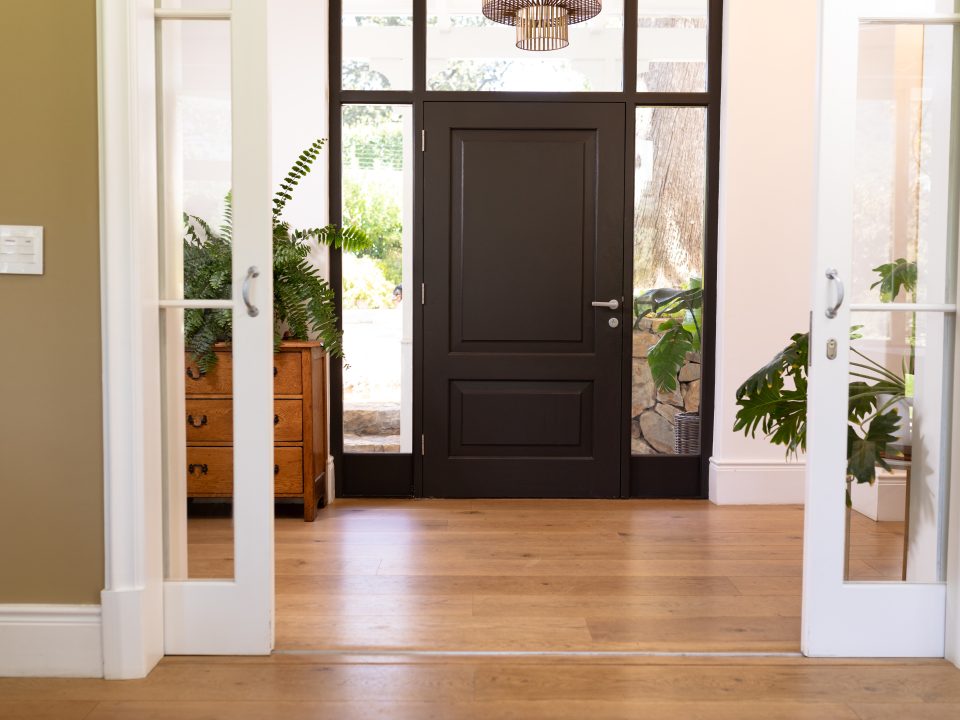
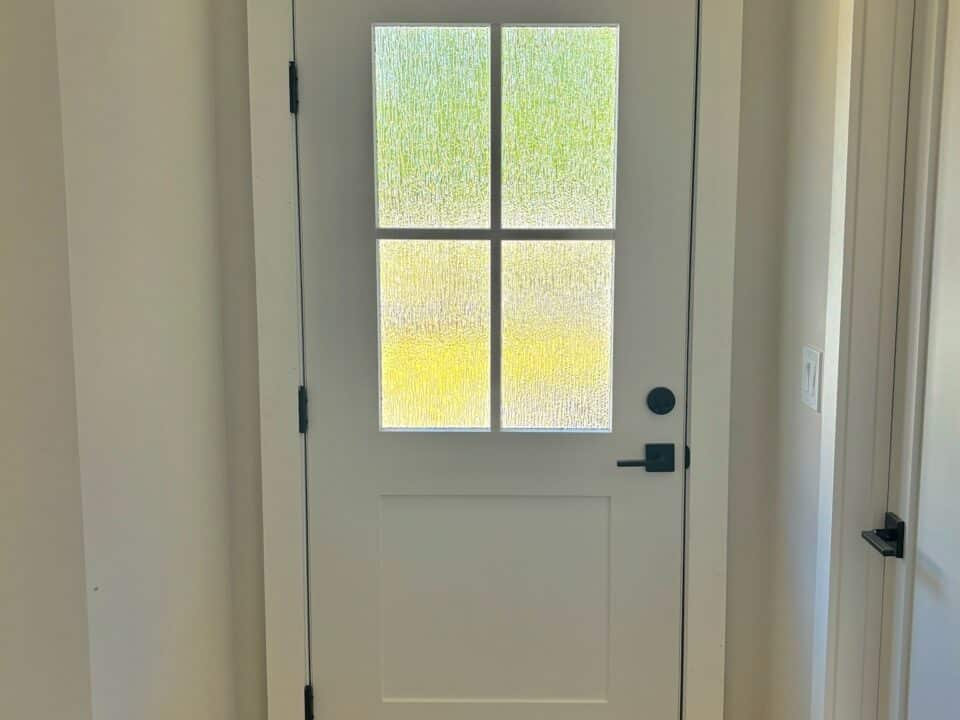
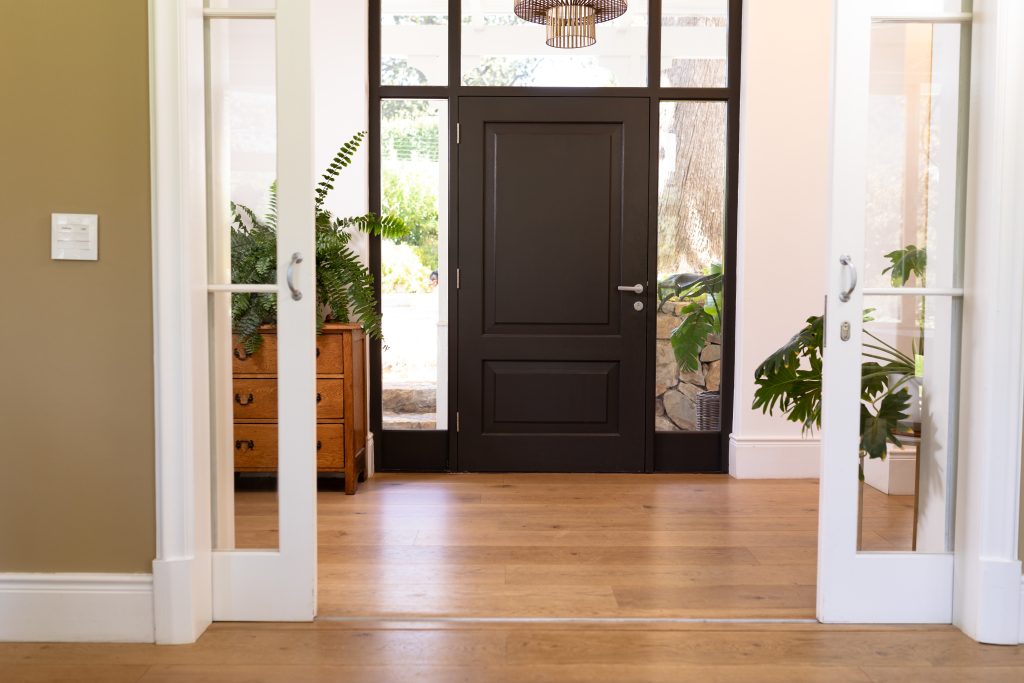
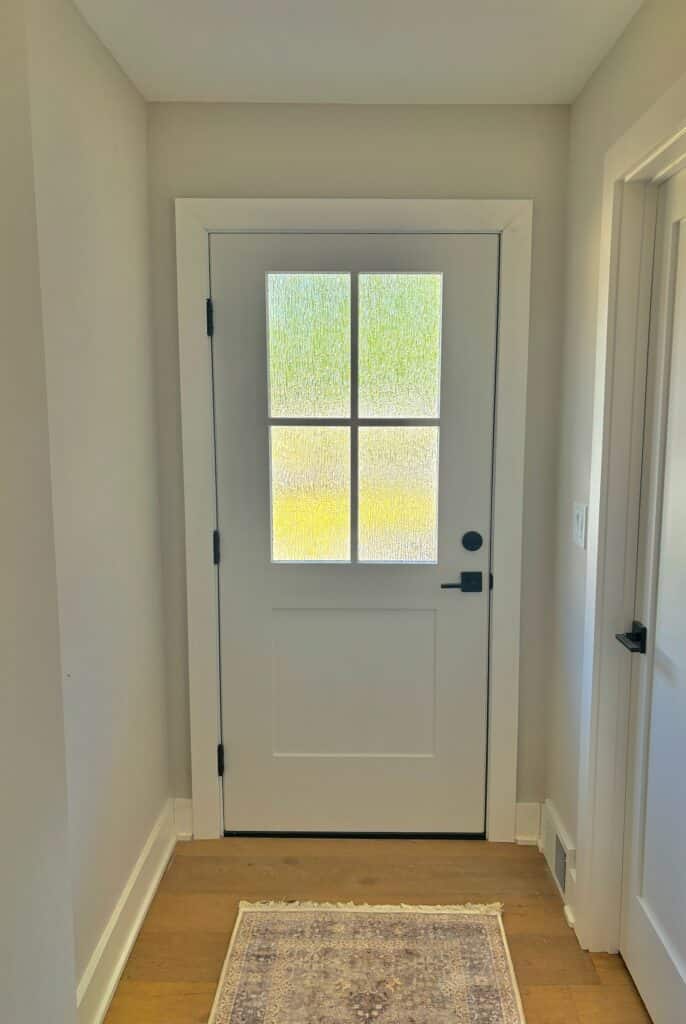
Exterior doors can allow significant air leakage when they are not properly fitted or sealed. When selecting a replacement entry door, consider the insulation inside the door, the condition of the frame, the threshold, and the weather stripping around the perimeter.
An insulated entry door may help:
- Reduce drafts near the entryway
- Improve comfort in nearby rooms
- Provide better protection from outdoor temperatures
- Improve security and curb appeal
Storm doors can add another layer between the interior of your home and the outdoor environment. For the best results, the storm door and entry door should both fit properly and have intact seals.
Before purchasing a door, measure the opening carefully. The correct size and installation approach will help ensure that the door closes securely and seals evenly around the frame.
Improve Heating System Efficiency
Even energy-efficient windows and doors cannot make up for a heating system that is overdue for maintenance or operating with restricted airflow.
A few improvements can help your heating system operate more effectively.
Regular Maintenance and Filter Replacement
For forced-air heating systems, check the filter regularly and replace it according to the manufacturer’s instructions. A dirty or overdue filter can restrict airflow and make the system work harder to circulate warm air.
Homeowners should also consider scheduling professional maintenance before or during the heating season. Depending on the type of system, maintenance may include:
- Checking system components
- Inspecting electrical connections
- Cleaning accessible parts
- Reviewing airflow
- Checking safety controls
- Inspecting fuel-burning equipment
If you have a boiler, furnace, heat pump, or other specialized heating system, follow the manufacturer’s maintenance recommendations and consult a qualified professional when needed.
Smart Thermostat Installation
A smart thermostat can make it easier to control your home’s temperature based on your schedule. Many models allow homeowners to adjust settings through a mobile app, create heating schedules, and use occupancy or temperature sensors.
A smart thermostat may help reduce unnecessary heating when:
- Everyone is asleep
- The home is unoccupied
- Certain rooms are not being used
- The household schedule changes during the week
ENERGY STAR-certified smart thermostats have demonstrated energy savings based on real-world data. ENERGY STAR reports average savings of approximately 8% on heating and cooling bills, although actual results vary based on the home, climate, heating system, and temperature settings. Learn more about smart thermostat compatibility and installation considerations through ENERGY STAR.
Before purchasing one, confirm that the thermostat is compatible with your heating system. Some systems, including baseboard, line-voltage, multistage, zoned, or specialized equipment, may require a specific model or professional installation.
Find Energy-Saving Windows, Doors, and Supplies at Gui’s Lumber
Whether you are sealing a drafty door, insulating exposed pipes, replacing an outdated window, or planning a larger home improvement project, Gui’s Lumber can help you find the materials and supplies for the job.
Gui’s Lumber serves homeowners, contractors, builders, remodelers, and commercial customers throughout Western New York. Visit one of our seven locations in:
- Niagara Falls
- Clarence
- Grand Island
- Batavia
- Hamburg
- North Collins
- Springville
Our team can help you identify the right materials, compare available products, and offer practical tips for your project. For larger purchases, qualifying-order boom truck delivery may also be available.
Start with the upgrades that make the most sense for your home, whether that means replacing worn weather stripping, installing window film, adding pipe insulation, or comparing energy-efficient windows and doors.