How to Select the Right Lumber for Framing, Decking, and Finishing
Choosing the right lumber is one of the most important decisions you’ll make for any construction or renovation project. Whether you’re building a new home, installing a backyard deck, or adding decorative finishing touches to an interior space, selecting the appropriate wood can significantly impact durability, appearance, and overall performance.
With so many lumber species, grades, sizes, and treatment options available, it can be challenging to know where to start. Understanding the unique requirements of your project and the characteristics of different lumber products will help ensure long-lasting results while maximizing your investment.
This guide explains how to select the right lumber for framing, decking, and finishing applications, helping you make informed decisions for your next project.
Choosing Lumber for Framing
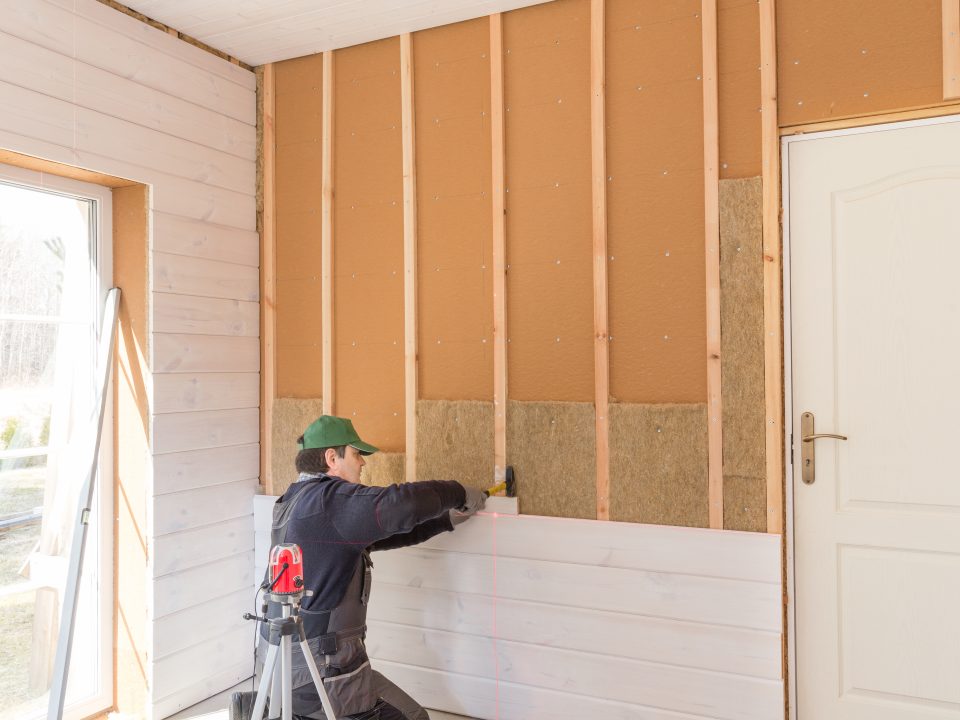
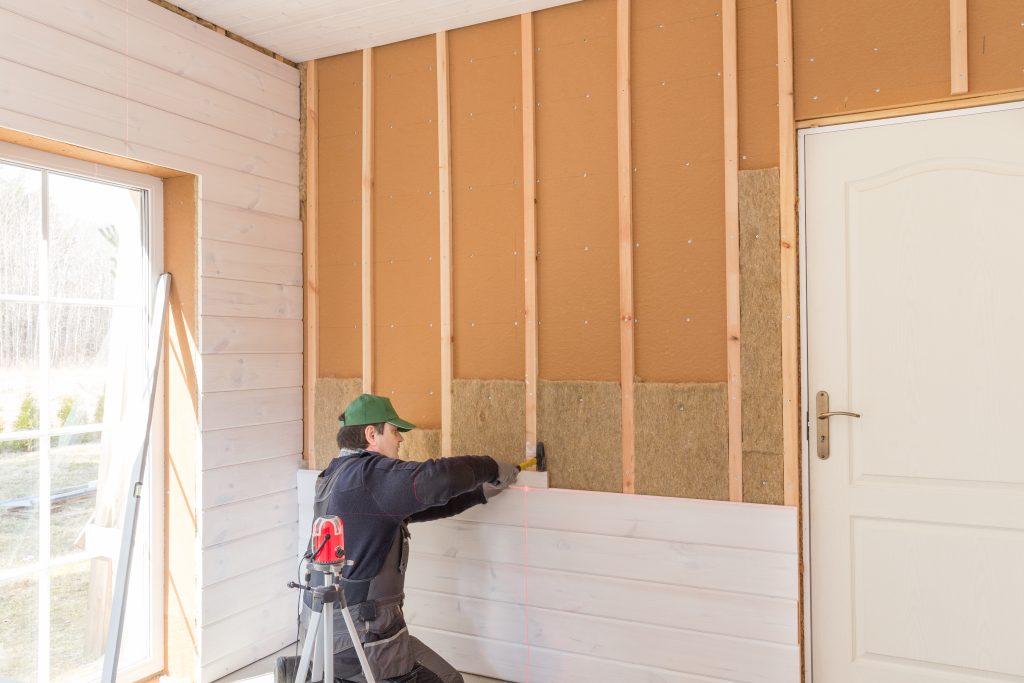
Framing lumber serves as the structural backbone of a building. Because it supports walls, floors, roofs, and other load-bearing components, strength and stability are critical factors when selecting framing materials.
Best Species for Structural Strength
Several lumber species are commonly used for framing because they offer an excellent combination of strength, availability, and affordability.
Douglas Fir is one of the most popular framing woods due to its exceptional strength-to-weight ratio. It provides excellent load-bearing capabilities and resists bending under pressure, making it ideal for walls, beams, and floor systems.
Southern Yellow Pine is another common choice for structural applications. Known for its density and strength, it is frequently used in residential and commercial construction projects where durability is essential.
Spruce-Pine-Fir (SPF) lumber is widely available and cost-effective. While generally lighter than Douglas Fir and Southern Yellow Pine, SPF remains a reliable option for many framing projects and is commonly used throughout North America.
When purchasing framing lumber, pay attention to grading stamps. Higher grades typically contain fewer knots and defects, offering greater structural integrity and consistency.
Moisture Content and Dimensional Stability
Moisture content plays a major role in lumber performance. Wood naturally expands and contracts as moisture levels change, which can lead to warping, twisting, or shrinking over time.
For framing projects, kiln-dried lumber is often preferred because it has been dried under controlled conditions to reduce moisture content. This process improves dimensional stability and helps minimize future movement after installation.
Builders should also inspect lumber carefully before purchase. Straight boards with minimal twisting, bowing, or cupping are easier to work with and help ensure accurate construction.
Additionally, storing lumber properly before installation helps maintain its quality. Keep materials elevated off the ground and protected from excessive moisture exposure whenever possible.
Choosing Lumber for Decking
Outdoor decking faces constant exposure to sun, rain, temperature fluctuations, and humidity. Selecting the right decking material is essential for achieving long-term durability and minimizing maintenance requirements.
Weather Resistance and Durability
The best decking materials are designed to withstand environmental conditions while maintaining structural integrity and appearance over time.
Naturally durable wood species often contain oils or compounds that help resist decay and insect damage. These characteristics make them popular choices for outdoor applications.
When evaluating decking lumber, consider factors such as:
- Resistance to moisture and rot
- Insect resistance
- Expected lifespan
- Maintenance requirements
- Local climate conditions
- Budget considerations
Investing in high-quality decking materials can reduce repair costs and help preserve the appearance of your outdoor living space for years to come.
Pressure-Treated, Cedar, and Composite Options
Several decking options are available to suit different project goals and budgets.
Pressure-Treated Lumber
Pressure-treated lumber remains one of the most popular decking materials due to its affordability and durability. The treatment process helps protect wood against rot, fungal decay, and insect damage.
Modern pressure-treated products are widely used for deck framing and surface boards because they provide dependable outdoor performance at a cost-effective price point.
Cedar Decking
Cedar is highly valued for its natural beauty and resistance to moisture and insects. Its attractive grain patterns and warm color tones make it a favorite among homeowners seeking a more natural aesthetic.
Although cedar typically requires periodic sealing or staining to maintain its appearance, many property owners appreciate its distinctive character and premium look.
Composite Decking
Composite decking combines wood fibers and recycled materials to create a durable, low-maintenance alternative to traditional wood decking.
Benefits of composite decking often include:
- Minimal maintenance
- Resistance to fading and staining
- No splintering
- Excellent moisture resistance
- Long service life
While composite products generally have a higher upfront cost, many homeowners find the reduced maintenance requirements worth the investment.
Choosing between pressure-treated lumber, cedar, and composite decking ultimately depends on your budget, maintenance preferences, and desired appearance.
Choosing Lumber for Finishing
Finishing lumber is used for visible interior and exterior elements such as trim, molding, cabinetry, paneling, shelving, and decorative woodwork. Unlike framing lumber, appearance is often the primary consideration when selecting finishing materials.
Smoothness, Grain, and Appearance
The visual characteristics of wood can significantly impact the overall look of a finished project.
Hardwoods such as oak, maple, cherry, and poplar are commonly selected for fine woodworking and interior trim applications because of their attractive grain patterns and smooth surfaces.
When choosing finishing lumber, consider:
- Grain consistency
- Color variation
- Surface smoothness
- Knot content
- Overall appearance
For projects requiring a refined, furniture-quality finish, selecting boards with minimal defects and consistent grain patterns can help achieve professional-looking results.
Softwoods may also be used for trim and finishing applications, particularly when cost efficiency is a priority. Pine, for example, remains a popular option for painted moldings and decorative interior elements.
Carefully inspecting boards before purchase helps ensure the finished project meets your aesthetic expectations.
Stain and Paint Compatibility
Different wood species accept stains and paints differently, making compatibility an important consideration.
Stain-Grade Lumber
If you plan to highlight the natural beauty of the wood, choose stain-grade lumber with attractive grain patterns and minimal imperfections. Woods such as oak, cherry, walnut, and cedar often produce excellent stained finishes.
Proper surface preparation is essential for achieving even stain absorption and a professional appearance.
Paint-Grade Lumber
For painted projects, appearance beneath the paint is generally less important. Poplar and pine are commonly used as paint-grade materials because they offer smooth surfaces and are relatively easy to finish.
Paint-grade lumber can provide an economical solution for trim, moldings, shelving, and other decorative applications where a painted finish is desired.
Regardless of whether you plan to stain or paint, selecting high-quality lumber and following proper finishing techniques will help ensure lasting beauty and performance.
Find the Perfect Lumber for Framing at Gui Lumber
Choosing the right lumber starts with understanding the specific demands of your project. Framing requires structural strength and stability, decking demands weather resistance and durability, and finishing applications call for attractive appearance and finish compatibility.
By considering species, moisture content, treatment options, intended use, and aesthetic preferences, you can confidently select materials that will perform well for years to come.
At Gui Lumber, we offer a wide selection of quality lumber products for residential and commercial projects of every size. Whether you’re building a new structure, upgrading your outdoor living space, or completing detailed finish work, our knowledgeable team can help you find the right materials for the job.
Visit Gui Lumber today to explore our inventory, receive expert guidance, and get the quality lumber products you need to complete your project with confidence.
Frequently Asked Questions
What type of lumber is best for framing?
Douglas Fir, Southern Yellow Pine, and Spruce-Pine-Fir (SPF) are among the most commonly used framing lumber species due to their strength, availability, and cost-effectiveness.
Is pressure-treated lumber necessary for decks?
Pressure-treated lumber is highly recommended for many outdoor deck applications because it resists moisture, insects, and decay, helping extend the life of the structure.
What is the difference between hardwood and softwood lumber?
Hardwoods generally come from deciduous trees and are often used for cabinetry, furniture, and finishing work. Softwoods come from coniferous trees and are commonly used for framing, decking, and general construction.
Can cedar be used for decking?
Yes. Cedar is a popular decking material because it offers natural resistance to insects and moisture while providing a beautiful appearance.
What lumber is best for painted trim?
Poplar and pine are commonly used for painted trim because they have smooth surfaces and accept paint well.
Why does moisture content matter when selecting lumber?
Moisture content affects dimensional stability. Lumber with excessive moisture may shrink, warp, or twist after installation, potentially impacting the quality of the finished project.